
You can make herbal tinctures at home using a handful of simple ingredients. Learn the basics and keep your supply of herbal tinctures well-stocked.
Preparing to Make Your Tincture
Tinctures condense the active healing oils from medicinal herbs into a solvent base. You can purchase herbal tinctures or make your own at home.
Select the Herbs
Before starting a tincture making project, choose the herbs you'd like to make into a tincture. If you have herbs growing in the garden, you can easily snip enough fresh herbs to create the right amount of tincture. If not, purchase them from the grocery store.
Herbs that are fairly easy to grow and make into herbal tinctures include the following:
- Peppermint: One of the most useful and prolific medicinal herbs, peppermint is used for everything from soothing an upset stomach to treating colds and headaches. Grow and store peppermint leaves for herbal tisanes or brew a peppermint herbal tincture.
- Ginger: Like peppermint, ginger is useful for many common ailments, particularly nausea and upset stomachs.
- Catnip: Catnip is a remedy for stomach ailments, colds and more.
Many more herbs may be made into herbal tinctures, but the above three are easy to find or grow and prolific enough that even if you make mistakes with your first batch of tincture, you can try again. Most culinary herbs are safe to use and have few side effects.
Gather the Equipment
Before starting your tincture-making project, gather together all the equipment you'll need in addition to the herbs. You'll need the following items:
- Solvent base: Tinctures condense the oils in the herbs and infuse them into a solvent base. Generally speaking, solvent bases are made with drinking-quality alcohol. Brandy and 80 to 100 proof vodka are the bases of choice. If you would prefer an alcohol-free tincture, use distilled or pure white vinegar.
- Cheesecloth: This special cloth is woven with holes that allow liquid to penetrate but keep solids in. People used to use it to strain the whey or liquid away from the curds during the cheese making process, which is how it got its name. Today you can find it in the kitchen implement aisle in most stores or in the canning or food preservation equipment aisle of mass merchandisers.
- Glass jars: Always use glass jars. Mason jars work well; metal or plastic may react with the tincture or base and contaminate the batch. You can find Mason jars in most stores, or clean and wash glass jelly or other jars and reuse.
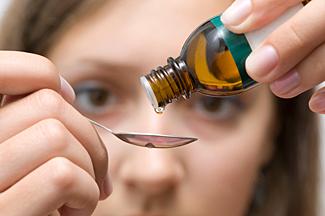
- Bottle with dropper tip: While a bottle with an eyedropper-type tip is optional, most herbal tinctures are taken as drops added to water. Storing the tincture in a bottle with dropper makes it much easier to measure the dosage precisely.
- Labels: Peel and stick labels and waterproof permanent markers enable you to label each batch with the name and date for easy identification.
Herbal Tincture Making Process
It's fairly easy to make a tincture. Simply, follow these steps:
Organize Your Tools
- Clean and dry the equipment.
- Lay out your tools (strainer, jars, markers, etc.) in the kitchen.
Prepare the Herbs
- Clean fresh herbs thoroughly.
- Discard bruised, stained or discolored leaves and stems.
- Use only the freshest herbs for the best results.
- Cut or chop the herbs in a food processor, blender, or with a sharp knife.
Make the Tincture
- Place the chopped herbs into your glass jar. Use only one type of herb in each jar.
- Cover the chopped herbs with the alcohol. Be sure to cover the herbs completely with the alcohol. Any herbs exposed to air and not covered with alcohol can become moldy or rot, making the tincture unusable.
- Label the jar with the name of the herb and the date prepared.
Age the Tincture
- Place the jars in a cool, dark area to age.
- Wait three to six weeks. You may allow it to steep for up to three months. The longer the herbs sit in the solvent base, the stronger the tincture.
Decant the Tincture
- Strain the tincture through the kitchen strainer, cheesecloth or parchment.
- Discard the leaves and stems.
- Pour liquid into bottles.
- Label and date the bottles.
- Enjoy your tincture.
Enjoy Your Tincture
Mix herbal tinctures into water and drink in appropriate doses for a medicinal effect. The typical dose is 15 to 30 drops of tincture, mixed into a glass of water. Consult an herbalist or holistic practitioner for appropriate doses of herbal tinctures. When it comes to herbal medicine, sometimes less is more. Make your own tinctures at home and know that you have quality, ready-to-use remedies right at hand.


