A list of medicinal herbs and their uses can help you decide what might work for you. Many herbs have both culinary and medicinal values that make them invaluable additions to herbal medicine cabinets and gardens.
A List of Medicinal Herbs and Their Uses
There are 100 medicinal herbs in the National Library of Medicine Herb Garden. Some are more commonly known herbs and they can be used to improve many aspects of your life. As always, do not begin any course of treatment, herbal or otherwise, without first consulting your doctor or other healthcare provider. Make sure you discuss with your health practitioner any medications you take, as herbs can have harmful interactions with others drugs!
Basil
Basil (Ocimum basilicum) is used in Homeopathy, Ayurvedic and other medicine systems for its anti-inflammatory properties. It's used to treat arthritis and other inflammations, such as fibromyalgia and bowl diseases. It also has antibacterial and anti-aging properties.
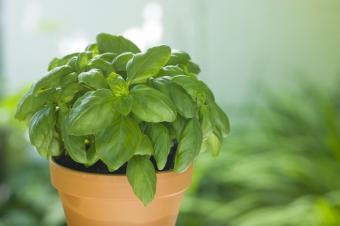
Holy Basil
Holy basil (Ocimum tenuiflorum) is most commonly used as a cancer-preventative. Ongoing research has revealed its preventative properties for cancers of the skin, mouth, lungs, and liver.

California Poppy
This pretty little flower is a powerful anti-anxiety medication. If you take a tincture in the evening, it can ease tension and help you fall asleep. Don't use California Poppy (Eschscholzia californica) if you're pregnant or lactating. If you take prescription drugs, consult with your medical professional before taking.

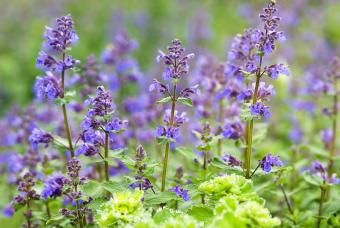
Catnip
Catnip (Nepeta cataria) is usually taken as a tea to relax and calm a nervous system. Catnip can help ease a chronic cough, help you fall asleep and as a digestive aid. Some moms use catnip for colic babies or infants' teething. Moms also use catnip in tincture form at bedtime to help restless children sleep. Always check with your child's pediatrician or other medical practitioner before giving to your baby or child.
Chamomile
You can use Chamomile oil taken from the flowers (Anthemis nobilis) to use in a topical application for joint pain or muscle cramps. A soothing and relaxing herb, chamomile is a great anti-anxiety treatment when taken as a tea. Chamomile tea is excellent for migraines and is used to regulate menstrual periods. (However, avoid giving to infants and children. Avoid if you're allergic to pollen.)

Dandelion
According to PennState Hershey, Native Americans and traditional Chinese medicine use this common weed as a great digestive tonic and bladder curative. Dandelion (Taraxacum officinale) helps stimulate the kidneys to increase urine production, which helps flush out your urinary tract. Dandelion tea is also used for maintaining healthy blood sugar levels and often referred to an anti-diabetic plant and anti-hyperglycemic. It is also used as a treatment for atherosclerosis.

Dill
Dill seeds and essential oils are used in Ayurvedic medicine. Dill seeds (Anethum graveolens L) are used to treat flatulence and stimulate appetite. Dill is also used as a diuretic. It can be given as a digestive tonic to help soothe indigestion. Mothers use dill essential oil for babies suffering from colic. Halitosis (bad breath) is treated by chewing dill seeds.

Echinacea
Echinacea (Echinacea purpurea) is used in Native American and North American traditional folk herbal medicine. It is an immune system and lymphatic system booster. It's often combined with antimicrobial goldenseal to create an immune powerhouse. Dry mouth or lack of saliva can be treated with Echinacea. It's used in powder or tincture form. Some people may suffer from side-effects or allergic reactions. Some prescription drugs can interact with echinacea, so check with your doctor or medical professional before taking.

Feverfew
Feverfew leaves (Tanacetum parthenium) are used as a tincture or a capsule. It's administered for migraine headaches and feverish chills. It is sometimes recommended for arthritis. Older traditional medicine required patients to chew the leaves (can cause mouth ulcers), but many modern treatments use tinctures. Pregnant women should never use feverfew since it cause uterine contractions. Avoid if you suffer from stomach ulcers or gallbladder issues. If you suffer from ragweed allergies, avoid feverfew.

Lavender
Lavender (Lavandula angustifolia) has antibacterial and antiviral properties. Lavender oil is used to treat acne, eczema, bronchitis, circulation problems, and other health issues. Lavender shouldn't be used if you're diabetic, pregnant or breast feeding.

Peppermint
In classical internal medicine, peppermint (Mentha x piperita) is used to treat all sorts of digestive ailments. If you take peppermint tea or peppermint oil, you may find relief for headaches, insect bites, poison ivy or poison oak, coughs and colds.

Rosemary
Rosemary (Rosmarinus officinalis) is used to treat a wide range of illnesses. Rosemary oil used to treat headaches and muscle spasms. It is also a detox, mouthwash disinfectant, and used to improve memory. If you suffer from pulmonary edema or take lithium, warfarin or lasix (diuretic) or other medications, don't take rosemary oil or other form. Avoid if you're pregnant. Long-term use can negatively impact sperm production.

Sage
Sage is used in Native American and other medicine systems to treat headaches. Sage (Salvia officinalis) is also a common recommendation for laryngitis and sore throats. It's taken as a tea with honey. It is a good remedy for irregular menstrual period, excessive sweating and is often given as a gentle laxative for constipation.

Valerian
Valerian is another great herb that's used as a sedative. Valerian (Valeriana officinalis) soothes anxiety and is often used as a sleep aid. Commonly doubled up with California poppy, it makes a powerful, but gentle sedative. Valerian can interact with medications and shouldn't be used without first checking with your doctor. Pregnant and lactating women shouldn't take valerian.

Yarrow
Yarrow is a natural astringent and used to treat headaches, urinary tract infections and hemorrhoids. Nosebleeds are often treated with yarrow since it has excellent blood clotting properties. Yarrow (Achillea millefolium or Achillea lanulosa) essential oil is used to relieve join inflammation and respiratory illnesses.

Compiling a List of Herbs and Their Uses
Creating a list of herbs and their medicinal uses includes many common herbs you may presently grow in your garden. There is an herb for almost every human aliment that can be used successfully when properly administered.